Providing compassionate End of Life & Elder Care services throughout the Grand Traverse & Leelanau Region

Author: Sue

  • The Emerging Role of End-of-Life Doulas in Modern Care

    There is a growing tension—and balance—within the End-of-Life Doula (EOLD) field. Much like a yin and yang dynamic, this profession exists between grassroots compassion and the need for structure, recognition, and sustainability.

    End-of-Life Doulas are not a regulated or medical profession. Yet their presence is expanding rapidly. Training programs, certifications, and organizations are emerging across the country—some thoughtful and rigorous, others less so. As with any developing field, this uneven landscape has created both opportunity and confusion.

    At its core, this work is not simply a credential—it is a calling. Those who remain in the field are deeply committed individuals who serve families during one of life’s most vulnerable transitions. Many provide care despite low wages or on a volunteer basis, driven by compassion, service, and a desire to fill critical gaps in care.

    However, the rapid growth of training programs has raised valid concerns. Some view the influx as a “bandwagon” or revenue-driven trend, while others worry about agencies claiming to provide doula services without adhering to the true philosophy and scope of practice. At the same time, new graduates often face a lack of clear pathways into the healthcare system, leaving them to build their own roles without structured support.

    This has contributed to a broader issue: the public—and even parts of the healthcare system—still do not fully understand what End-of-Life Doulas do or how they fit into the care continuum.

    A Model Already Exists

    Michigan offers a powerful example of what is possible. Maternal doulas—also non-medical providers—have been successfully integrated into the healthcare system. The state recruited, trained, and endorsed doulas to ensure access across all counties. Today, over 1,000 maternal doulas serve families in Michigan, with many receiving Medicaid reimbursement.

    Maternal doulas provide emotional, physical, and informational support during pregnancy and childbirth. Their model closely mirrors the role of End-of-Life Doulas, who offer similar support during the dying process.

    This precedent raises an important question: why not extend a similar model to end-of-life care?

    Building the Future in Northern Michigan

    At End of Life Doulas & Senior Services of Northwest Michigan, we are actively working to answer that question.

    In just one year, we have:

    • Graduated our first cohort of End-of-Life Doulas, now participating in hospice internships

    • Established collaboration with Munson Hospital discharge planners and social workers

    • Piloted curriculum with local healthcare providers to refine training and build credibility

    • Engaged key stakeholders, including medical professionals, policy experts, and legislators

    • Begun exploring Medicaid and Medicare reimbursement pathways

    • Hosted community workshops and professional education sessions

    • Built a regional coalition of end-of-life service providers

    • Developed a strong brand identity to support public trust and awareness

    Our model emphasizes integration—not competition—with existing healthcare systems. We work alongside hospice teams, extending the continuum of care rather than duplicating it.

    Why This Work Matters

    The most critical period in end-of-life care often occurs between diagnosis and death—when families are navigating complex decisions, emotional strain, and logistical challenges.

    Without adequate support, this time can lead to:

    • Family conflict and fractured relationships

    • Confusion around care decisions

    • Emotional and physical exhaustion

    • Missed final wishes and unresolved regrets

    End-of-Life Doulas step into this gap. We provide consistent, non-medical support that can last months, weeks, or even around-the-clock in the final days.

    This is especially important for individuals with chronic or life-limiting conditions such as congestive heart failure or kidney disease, where decline may be gradual but unpredictable.

    Despite the growing need, awareness remains low. Many people are uncomfortable discussing end-of-life planning, and the profession itself lacks widespread recognition. Yet demographic trends—an aging population, changing family structures, and increasing strain on healthcare systems—make it clear that this model of care is not optional. It is essential.

    A Call to Action

    The End-of-Life Doula model is evolving into a vital component of the elder care continuum. Families we serve consistently describe these services as “priceless”—not because of cost, but because of the dignity, clarity, and peace they help create.

    Currently, services are offered through a combination of private pay, sliding scale fees, volunteer support, and community-funded “angel funds.” Donations help ensure that no family is turned away due to financial limitations.

    We invite healthcare partners, policymakers, and community members to join us in shaping the future of end-of-life care.

    If you or someone you know could benefit from support, we are here to help.Together, we can ensure that no one faces the end of life alone, unsupported, or unheard.
  • We’re investigating a pilot program to be able to pay end-of-life doulas for their services via Medicare and Medicaid.

  • Bayside Wellness Hospice

    We are in a joint collaboration for internships for our recent doula graduates. We’ll be following social workers or RNs to homes of families that need support and completing a credential for doula training.

  • Munson partnership

    Munson’s discharge planning and social worker department has entered into a partnership with us to provide end-of-life doula services. We are providing services for silo patients who are passing away alone because family is unable to get here or there are no remaining family members to assist with their final journey.

    We are also collaborating with terminally-diagnosed patients with support to navigate services and education related to the end-of-life process.

  • Our Mission as End of Life Doulas in Northern Michigan

    Our mission is to recruit, develop, and train the next generation of End-of-Life Doulas. Our unique, one-of-a-kind training program pursues excellence in every aspect of End-of-Life Doula care. We consider online courses to be your “license to learn.” Along with active current TB testing and background checks. We are preparing our End of Life Doulas to work with anyone ~ and in any community.

    Becoming an End-of-Life Doula is a commitment, and our program requires six to twelve months to complete.

    Our expectation is that you will have prior healthcare credentials, caregiving experience, and prior end-of-life care experience through an agency, volunteering or caring for a family member.

    Our participants receive practical hands-on training. (We are non-medical support but do referrals to medical resources as often as necessary.) How?

    Our program includes an internship embedded within a hospice or palliative care agency, along with a final sign-off from the supervising RN or case manager confirming readiness to begin the doula journey. This structure provides real-world experience and builds credibility in the field.

    We expect all scholarship recipients to join the National End-of-Life Doula Alliance and earn the End- of- Life Proficiency badge as it ensures a standardized compliance and standard of care that everyone can emulate and respect.

    We believe there are four major areas of focus for the entire family in the End-of-Life Doula career pathway:

    1. Practical, hands-on care & support during the last six months leading throughout the active dying stage. Including Vigil or Sitter care.
    2. Supporting the family and patient in navigating complex decision making that honor the dignity and quality of life for the loved one.
    3. Building expertise in documentation, forms, and building collaboration with ancillary services to ensure thorough and complete care. Legacy building, after death care and grief support.
    4. . The ability to cultivate and facilitate local community outreach and education to ensure awareness of our services.
    5. Outreach and a call to action through participation in advancements within the Doula community state & nationwide.

  • Exciting News

    Great things are happening in the End-of-life Doula community in Northern Michigan. Multiple collaborations and partnerships are being formed that will not only impact our local community, but nationwide through our First Mover efforts. In the near future, we’ll be providing outreach to the local community, providing seminars for seniors and their families regarding myths and misconceptions on hospice services, what’s new for 2026, and more.

    Another speaker in our program will be an Elder Law attorney who will present the rapid changes happening concerning senior citizens. We will be partnering with a hospice agency to provide rules and regulations in what it means to be a hospice patient. We will also hear from a local funeral home regarding recent trends in green burial, cremation, and more in the funeral industry.

    Be on the lookout for advertisements for dates and times in Grand Traverse and Leelanau counties.

    We have been speaking to multiple doula agencies across the US to find best practices and sharing our insight with them. There are many agencies out there that provide scholarships and stipends for up-and-coming doula graduates that will offset the cost of their services and outreach to the elderly in our communities.

    We will be speaking with community members in order to profoundly affect doula services and the senior care model across the country. Great changes are happening and we look forward to reaching out to the community.

  • First Graduating Doula Cohort

    First Graduating Doula Cohort

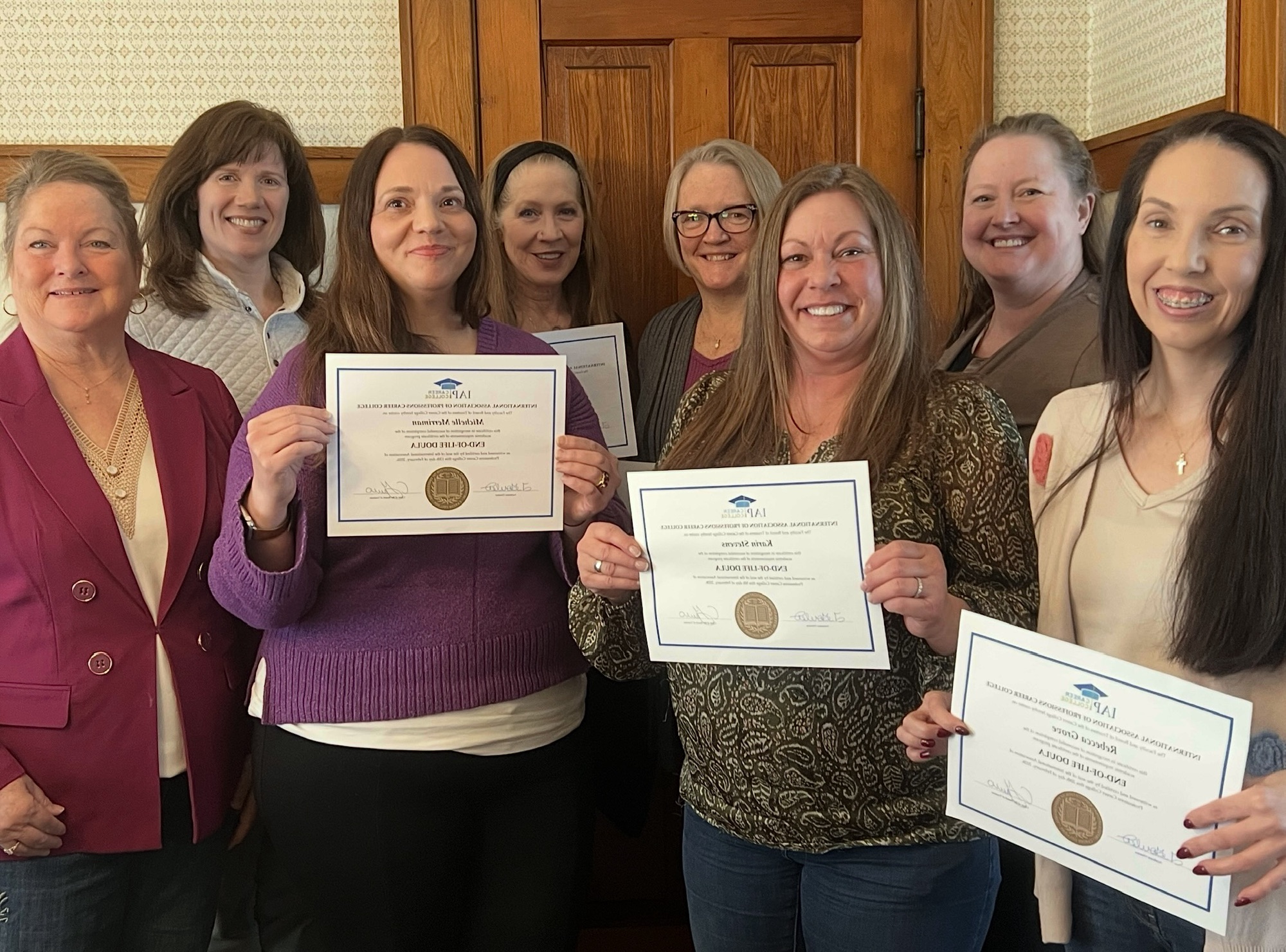
    We are proud to announce the graduation of our first cohort of Doulas. Training started in December 2025 and culminated with certifications on February 26, 2026. We’re inspired by their dedication to their profession.

    Next cohort training starts April 12, 2026. If you’re interested in participating in this program, please call us. Scholarships are available.

    Pictured, left to right are:

    • Sue Papajesk, Executive Director
    • Elizabeth Bradfield
    • Michelle Merriman, New Graduate
    • Dee Ann Moss, New Graduate
    • Karen Stevens, New Graduate
    • Stephanie Adams, New Graduate
    • Krista Cain
    • Rebecca Grove, New Graduate
  • CNA Licensing

    CNA Licensing

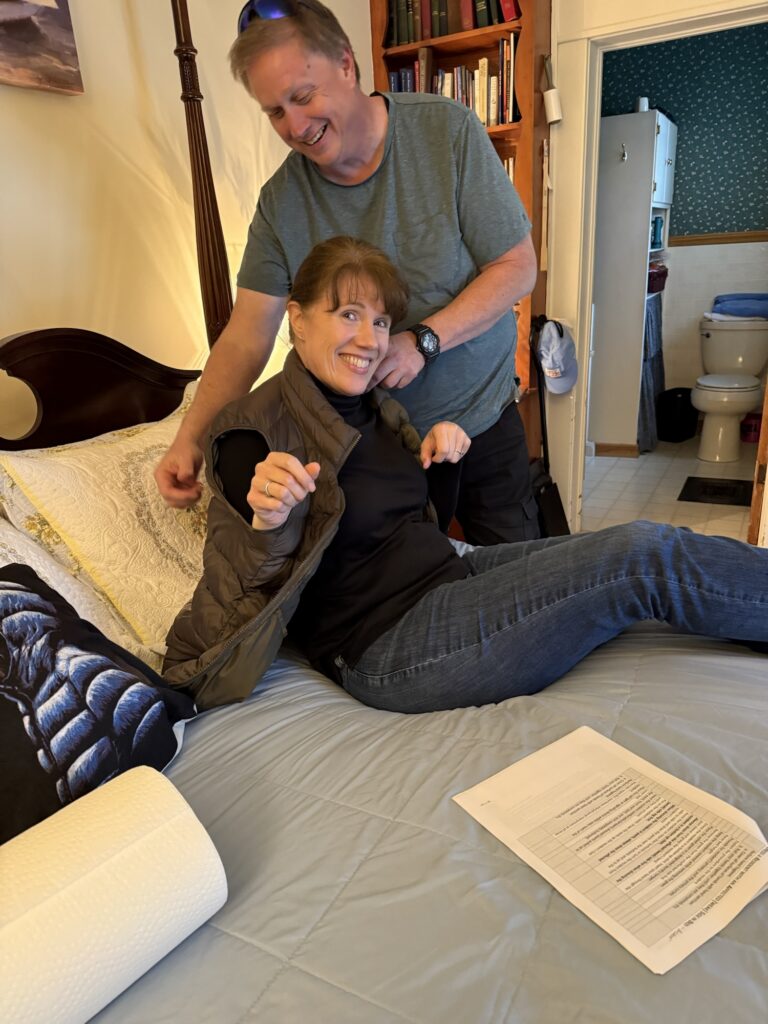
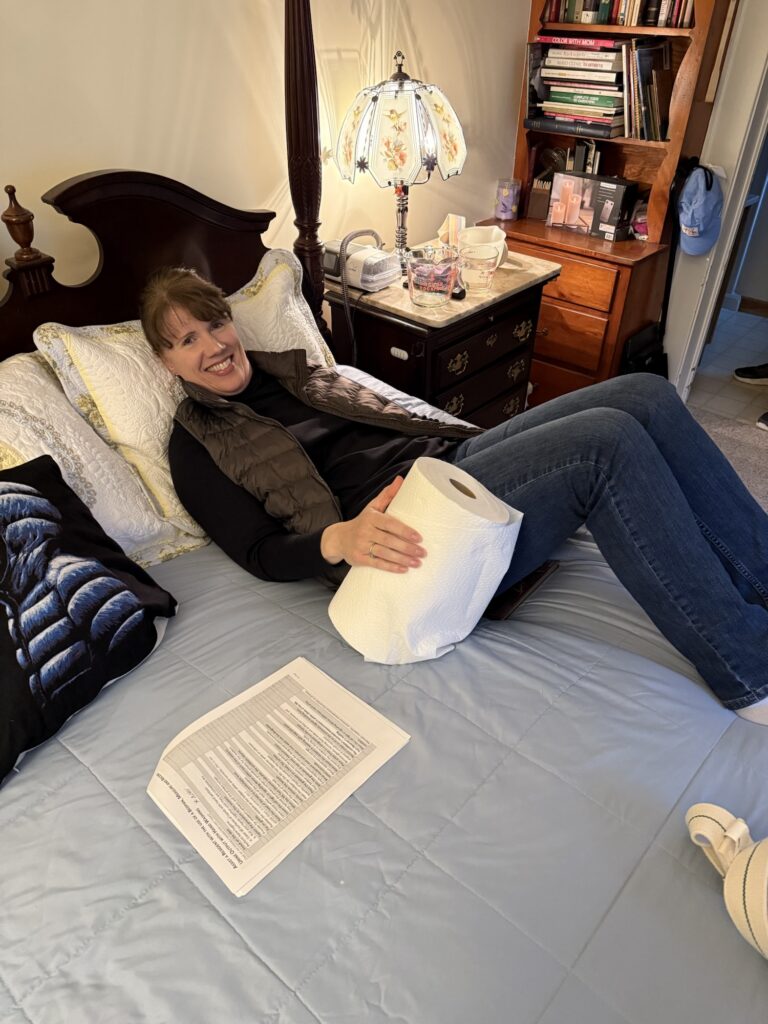
    Its was a great day to sponsor CNA students practical skills review prior to State of Michigan license testing.

    Trained at the Northern Michigan Health Training School. A very thorough & fun program with added value via the owner/instructor John!!

    YouGO!!!
    And congrats to the new career venture!! You are entering the most rewarding career pathway!

  • Doula Scholarship Program

    We are announcing our next Doula Training cohort starting May 1, 2026. If you are interested in being considered for our scholarship that provides scholarship funding for online training to become a credentialed End of Life Doula and additional scope of practice and hands on training, please contact us asap.

    We are announcing our next Doula Training cohort starting January 22, 2026. If you are interested in being considered for our scholarship, please contact us.

    Our mission is to recruit, develop, and train the next generation of End-of-Life Doulas. Our unique, one-of-a-kind training program pursues excellence in every aspect of End-of-Life Doula care. We consider online courses to be your “license to learn.” Along with active current TB testing and background checks. We are preparing our End of Life Doulas to work with anyone in any community.

    Becoming a End of life Doula is a commitment, and our program requires at least six months to complete. Practical, hands-on training, along with an internship embedded in a hospice agency, and subsequent “sing-off” from the supervising RN/Case manager that you are ready to begin your Doula journey & provides you with real-world experience. This builds credibility in the industry.

    We expect all scholarship recipients to join the National End-of-Life Doula Alliance and earn the proficiency badge it offers to support compliance and help build a standard of care that everyone can emulate and respect.

    We believe there are four major areas of focus in the End-of-Life Doula career pathway:

    1. Practical, hands-on care & support during the six months leading up to death and through the active dying stage. for the entire family.
    2. Supporting the family and patient in navigating complex decision making that honor dignity and quality of life for the loved one.
    3. Building expertise in documentation, service collaboration, and the ability to cultivate and facilitate local community outreach and education.
    4. Outreach and a call to action through participation in advancements within the Doula community nationwide.